![Archaeology at the North-East Anatolian Frontier, V [ONLY]. Iron Technology and Iron-making Communities of the First Millennium BC](https://iseebooks.store/wp-content/uploads/2026/06/WhiteBG.jpg "WhiteBG")
Archaeology at the North-East Anatolian Frontier, V [ONLY]. Iron Technology and Iron-making Communities of the First Millennium BC
$95.00
1 in stock
McConchie, Matasha. Archaeology at the North-East Anatolian Frontier, V [ONLY]. Iron Technology and Iron-making Communities of the First Millennium BC. Louvain: Peeters Press, 2003. Quarto (12″ x 8-1/2″). xxiv, 393, (1)pp. 28 page bibliography and a glossary. Red cloth lettered in gilt. Illustrated with 205 text figures (maps, photos, photomicrographs, spectral analysis tables, etc. An ex-library book but with minimal rubber stamps on title page & at bottom of text block, otherwise near fine.
Part of a 7 volume study of historical geography and a field survey of the Bayburt Province.; Iron technology and iron-making communities of the first millennium BC.; This volume is complete in itself.
This study presents both the technological aspects of iron and iron-making in north-east Anatolia, as well as commenting on the socio-economic, political and symbolic aspects of metallurgy. In the first instance, a technical study of iron objects from two north-east Anatolian highland sites Büyüktepe Höyük (Bayburt) and Sos Höyük (Erzurum) is presented. These results are compared with the status and production of iron in the Early and Late Iron Age periods in eastern Anatolia generally. What emerges is a significant exposition of the use of iron and changes in its use throughout the first millennium BC, and strong indications that some iron-making traditions in this region were idiosyncratic when compared to the rest of the Near East. In line with more recent discussions, this study also interprets the results in terms of human behaviour. Given the seasonality of human activity in the highlands and the likelihood of comparatively small-scale production units, it was appropriate to consider that iron and industrialisation were not always interdependent in antiquity. Using ethnographic considerations, survey and textual evidence of settlement patterns, the basis of post-Urartian iron manufacture is inferred to be small-scale not surpassing the immediate needs of the community to generate inter-local trade or exchange. Nonetheless, considerable community organisation and effort are reflected in the material characteristics of the iron objects examined. In particular, those objects that demanded a high standard of skill and perseverance, even by modern standards, are strong indicators of an extensive and established crafting tradition. (Publisher)
Contents: Iron objects and iron-making societies — Mining, smelting and manufacture — The environmental, archaeological and historical setting — Analytical procedure and methodology — Site analysis, comparative iron quantity and metallography in North Eastern Anatolia during the first millennium BC — Summaries of metallographic results and social organisation in relation to iron production and use for the first millennium BC — Conclusions.
Supplement 13 of the Peeters series, “Ancient Near Eastern Studies.” near fine. Hardcover. (53112) $95
| Weight | 2 lbs |
|---|---|
| Author | McConchie, Matasha |
| ISBN | 9042913894 |
| Publisher | Peeters Press |
| Place of Publication | Louvain |
| Signed | n |
| Binding | Hardcover |
| Condition | near fine |
| Dust Jacket | n |
| Edition |
Related products
 VERY GOODHARDCOVERFIRST EDITION
Bill Brandt: Behind the Camera. Photographs 1928-1983.
$75.00- FAIRHARDCOVERFIRST EDITION
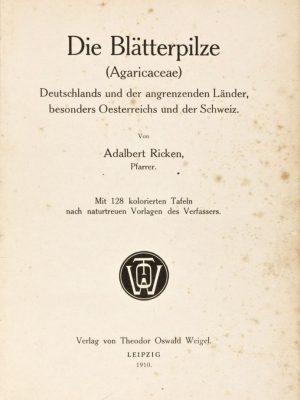
Die Blätterpilze (Agaricaceae) Deutschlands und der angrenzenden Länder, besonders Oesterreichs und der Schweiz. (The Agaric Mushrooms of Germany and Neighboring Countries, in Particular those of Austria and Switzerland) 2 Vols. + Portfolio
$75.00 - VERY GOODHARDCOVERFIRST U.S. EDITION.
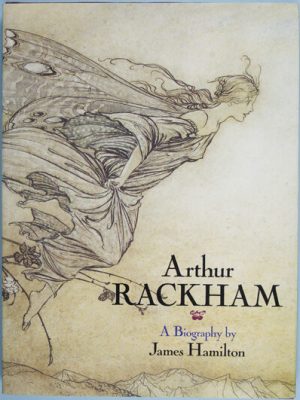
Arthur Rackham: A Biography by James Hamilton
$80.00 - GOODSOFTCOVER
Ziergitter Aus Draht (Decorative Wire Grids)
$95.00